Lore
Mario (franchise)
The Mario franchise, also known as Super Mario, is a long-running…
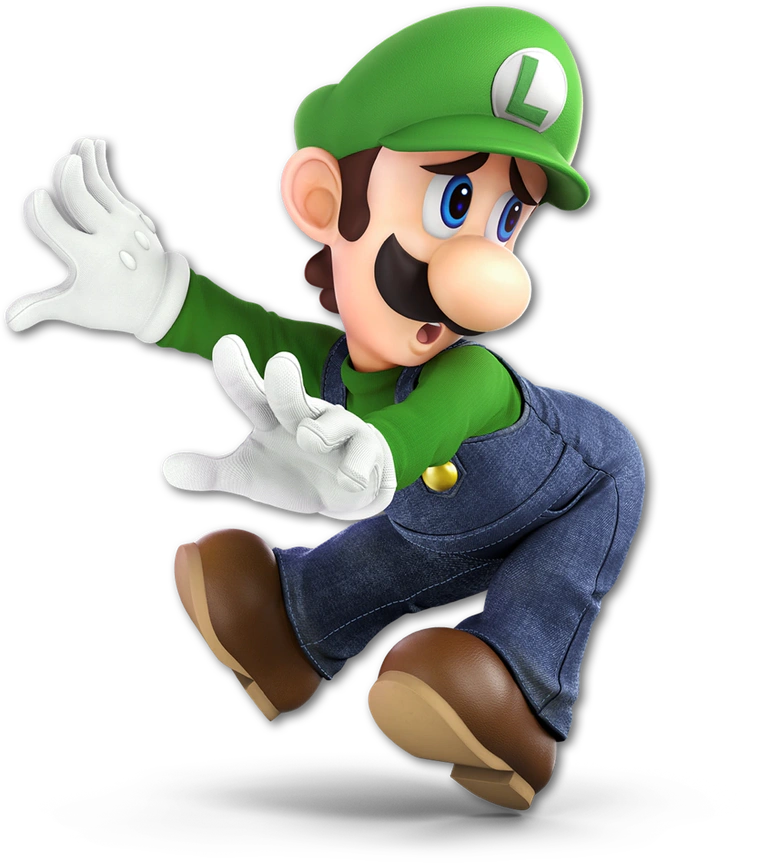
The Mario franchise, also known as Super Mario, is a long-running multi-billiondollar media franchise created by Nintendo. Most often taking place in the fictional Mushroom Kingdom, led by the elegant Princess Peach, who is usually the damsel-in-distress (though she at times can be a protagonist), it stars the titular Italian plumber, Mario, the main protagonist and longtime mascot of Nintendo, aided by his younger twin brother Luigi. The Mario Bros' mission in most games is to rescue the princess from the clutches of the evil Koopa King Bowser, the main antagonist. Like The Legend of Zelda series, some titles feature additional protagonists (such as Yoshi) and different lead antagonists (such as King Boo or Smithy).

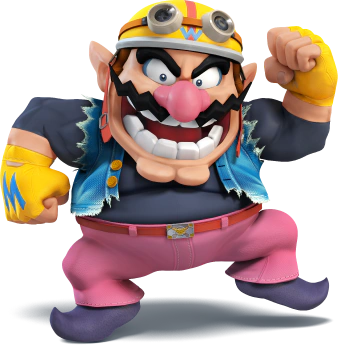
Debuted during the very early gaming era of the Atari 2600 in July 9, 1981 by Shigeru Miyamoto, about five years before The Legend of Zelda in February 21, 1986, the Mario franchise is Nintendo's main flagship series. Although the very first game featuring the character Mario is the Donkey Kong arcade game, marking his and Donkey Kong's grand debut, this particular title alongside Donkey Kong Jr. are technically part of the related Donkey Kong series (its parent franchise); the first actual installment is Mario Bros. in 1983, while its breakthrough success began with the Nintendo Entertainment System title Super Mario Bros. two years later, starting its own Super Mario series. It is also known for many spin-offs such as Mario Party, Mario Kart, Mario Golf, Mario Tennis, Mario & Luigi, Super Smash Bros., and so on. Mario took the gaming industry by storm and became the most successful video game franchise of all-time, with over 250 titles released (20+ core installments) and more than 950 million copies sold as of 2025/2026 (in comparison, The Legend of Zelda series sold only 180+ million). Alongside Donkey Kong, the Yoshi and Wario series are sister franchises.

Although The Legend of Zelda is not technically a "sister" franchise to Mario, as their settings are completely different despite being based on a kingdom and the gameplay were designed to be polar opposites (Mario focuses on linearity while Zelda does not), it is still rather related, as both are widely known to have many parallels between them since their origins, coincidentally or intentionally, whether it is the main characters, events of the core games or even elements, often as Easter Eggs. Super Mario Bros. 3 and Link's Awakening are among the most famous titles to have references of them. This is because these iconic highly successful Nintendo franchises were originally created by the same development team at the exact same time and this continued into some later games of either series, especially the NES to Nintendo 64 eras. In spite of never being stated outright by Nintendo itself, due to the many connections between Mario and Zelda compared to others by the company and the fact most major media were released nearly simultaneously (the former usually first), it is likely they are partner franchises and even possibly sharing the same universe, with the Mushroom Kingdom and Hyrule simply being extremely far away from each other. From the start, their main protagonists/mascots, Mario and Link, have occasionally crossed paths, most prominently in merchandise, Super Smash Bros. and the latest Mario Kart installments.
Interestingly, according to their respective creator, Shigeru Miyamoto, while it is true that Super Mario Bros. and The Legend of Zelda were indeed co-developed, contrary to popular belief, the latter game was the first to be planned by Nintendo. But because it was originally for the Family Computer Disk System rather than the traditional Nintendo Entertainment System, he and his team decided to finish up the Mario game, first, explaining the reason why the platformer title was released one year (or two internationally) before its action-adventure counterpart.
Relevance to The Legend of Zelda
The Mario series has had quite a few connections to the Zelda franchise, as early as the original The Legend of Zelda, which was developed concurrently with Super Mario Bros. by the same development team at Nintendo. The Legend of Zelda 's earliest evidence of a connection to Mario is in the Japanese instruction manual of the very first game, in which Manhandlas are said to be jumbo-sized Piranha Plants.

Two recurring elements of the Super Mario series, Chain Chomps and Fire Bars, were actually originally created for The Legend of Zelda series before they were given their prime association to the former. Nevertheless, both appear in the 1991 Super NES title A Link to the Past, which is one of the earlier appearances of Chain Chomps in general.
Although uncommon in Japan, a lot of Western media in the late 1980s and early 1990s grouped Mario and The Legend of Zelda together. The most prominent instance of this was The Legend of Zelda TV series, which was a part of The Super Mario Bros. Super Show! syndication package, and would have new episodes of Fridays. Additionally, many of the live-action Mario segments of The Super Mario Bros. Super Show! would have a preview of a The Legend of Zelda episode. In Super Mario Bros. & Friends: When I Grow Up, there is not only a career page dedicated to Link, but a few of the pages include a Bot in them. The Mario and The Legend of Zelda series were also licensed together for various Nintendo-themed merchandise, such as Nintendo Cereal System and the Nintendo Adventure Books series. Both the franchises' license were given to Philips at one point to produce a few Philips CD-i games each such as Hotel Mario or Zelda's Adventure, which are infamously known to had poor development, little relation to the mainline games, and are consequently unsuccessful.

Link's Awakening on the Game Boy in 1993 has guest appearances of various characters and enemies from other Nintendo franchises, especially Super Mario, and has more representation of this series than any other The Legend of Zelda title. Since Link's Awakening, Thwomps have been a semi-recurring enemy in the Zelda franchise, and the game introduces two Thwomp variants that have not appeared within the Mario franchise—Mega Thwomps and Stone Elevators—not unlike Wario Land: Super Mario Land 3 on the same handheld console, a platform game starring Wario that exclusively features another Thwomp variant, Pouncers. In Oracle of Seasons on the Game Boy Color, one of the bosses is a Thwomp named Head Thwomp, who has likewise never appeared in the Mario franchise. Bob-ombs and Cheep Cheeps are some other examples of Mario enemies that have appeared as foes for Link in more than one The Legend of Zelda game.
The Legend of Zelda 's own enemy species have seldomly had their variants in the Mario franchise, but in Super Mario Galaxy and Super Mario Galaxy 2 on the Wii, there are Octoombas, which are a variant of both Goombas and Octoroks.

Some characters in The Legend of Zelda series share a bit of resemblance to Mario 's own. The most well-known cases are Talon and Ingo in Ocarina of Time, who themselves have similarities to Mario and Luigi, respectively.
Although actual items of either series are very rarely shared between each other, the most famous example is the Recorder from The Legend of Zelda was reused for Super Mario Bros. 3 to help Mario (or Luigi) warp between worlds. However, some Zelda games such as Tri Force Heroes have references to Mario such as the Fire Gloves and Hammerwear Outfits, which are based on the Fire Flower and Hammer Bro, respectively.
Other than Super Mario Bros. and The Legend of Zelda, Nintendo has often produced a mainline Super Mario and The Legend of Zelda game concurrently, such as Super Mario 64 and Ocarina of Time on the Nintendo 64 (the latter even uses a heavily modified Super Mario 64 engine like the earlier NES titles) and Super Mario Odyssey and Breath of the Wild on the Nintendo Switch.
Pre-NES (Arcade/other systems)
• Donkey Kong
• Donkey Kong Jr.
• Mario Bros.
Nintendo Entertainment System
• Super Mario Bros.
• Super Mario Bros. The Lost Levels (otherwise known as Super Mario Bros. 2 in Japan)
• Super Mario Bros. 2
• Super Mario Bros. 3
Game Boy
• Super Mario Land
• Super Mario Land 2: 6 Golden Coins
Super Nintendo Entertainment System
• Super Mario World
Nintendo 64
• Super Mario 64
Nintendo GameCube
• Super Mario Sunshine
Nintendo DS
• New Super Mario Bros.
Wii
• Super Mario Galaxy
• New Super Mario Bros. Wii
• Super Mario Galaxy 2
Nintendo 3DS
• Super Mario 3D Land
• New Super Mario Bros. 2
• Super Mario Maker for Nintendo 3DS
Wii U
• New Super Mario Bros. U
• Super Mario 3D World
• Super Mario Maker
Mobile
• Super Mario Run
Nintendo Switch
• Super Mario Odyssey
• Super Mario Maker 2
• Super Mario Bros. Wonder
Sources
Adapted from the original article, under GFDL 1.3.